Research capabilities
Advancing plasma science to inform future fusion energy systems
Developing practical fusion energy requires a deeper understanding of how plasmas can be created, heated, controlled, and sustained under extreme conditions. Pegasus-III provides a flexible experimental platform for investigating the fundamental plasma physics that underpins future fusion energy systems.
Through advanced diagnostics, innovative startup techniques, and adaptable experimental capabilities, researchers use Pegasus-III to explore plasma confinement, stability, heating, and current drive while generating insights that support the broader fusion research community.
Experimental Facility
A uniquely flexible spherical tokamak
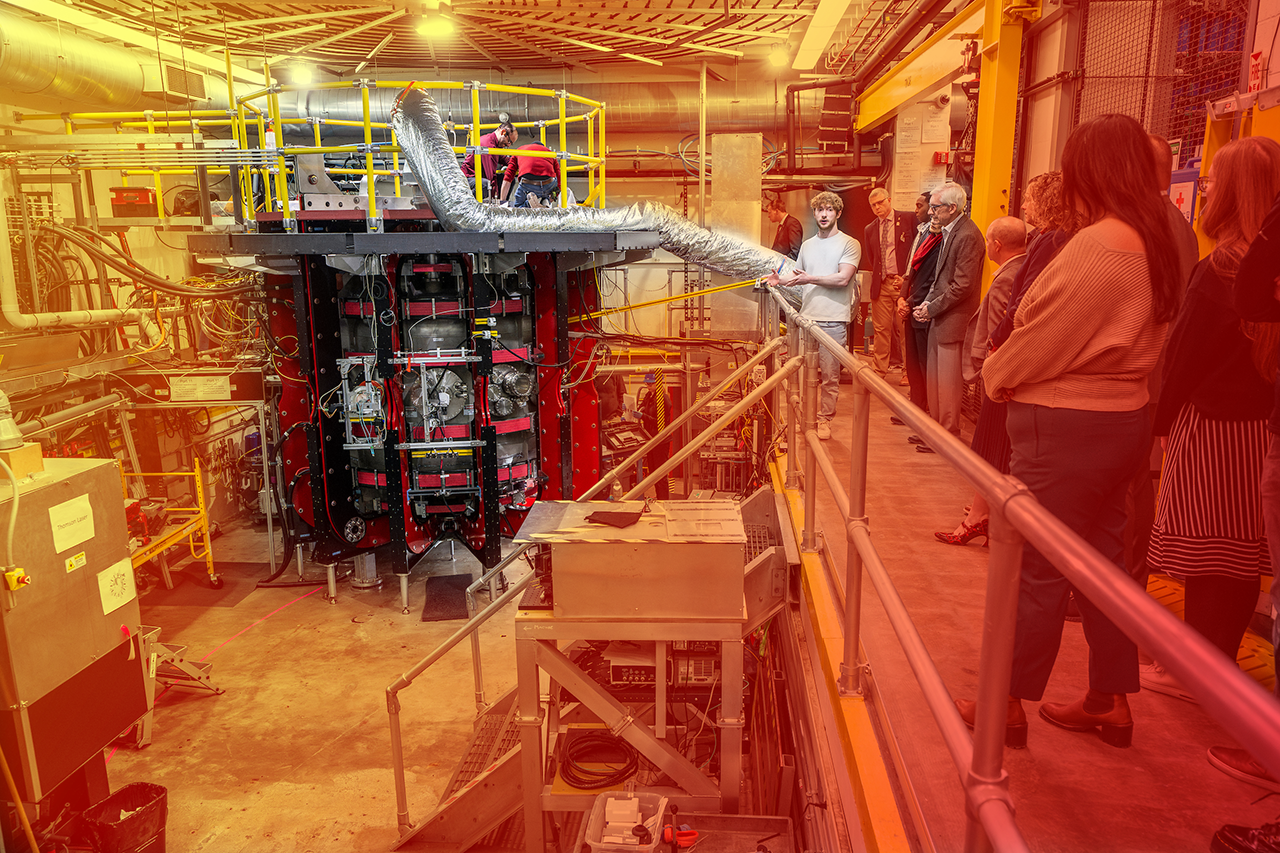
At the heart of Pegasus-III is an ultra-low-aspect-ratio tokamak designed to investigate plasma behavior in configurations relevant to future compact fusion devices. Its flexible architecture allows researchers to study fundamental plasma physics while continuously adapting the facility to support new diagnostics, experimental hardware, and advanced research concepts.
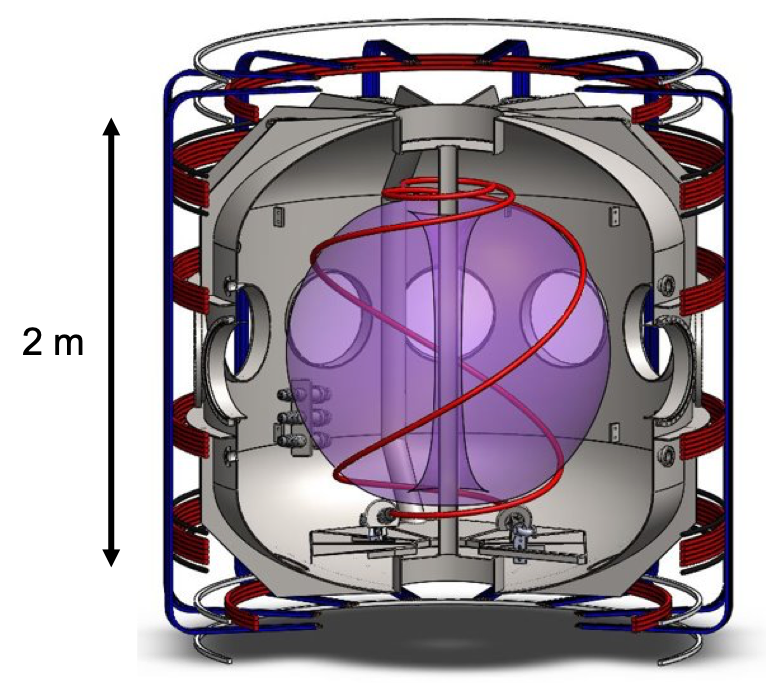
The vacuum vessel is approximately two meters in diameter and two meters tall and is constructed from stainless steel. Multiple diagnostic and engineering access ports provide extensive flexibility for experimental configurations, diagnostic development, and future upgrades. This adaptable design enables researchers to efficiently test new ideas and address evolving challenges in fusion science.
Plasma Startup Systems
Advancing solenoid-free tokamak startup
A key challenge for future fusion systems is developing efficient methods to initiate plasma current without relying on a central solenoid. Pegasus-III serves as a dedicated experimental platform for advancing the physics understanding of solenoid-free tokamak startup, with the goal of reducing the cost and complexity of future reactor-class devices.
Researchers use Pegasus-III to investigate innovative startup approaches that generate plasma current and support plasma formation through helicity injection techniques. These studies provide insight into the fundamental physics of plasma startup while helping evaluate concepts that could expand the design flexibility of future spherical tokamaks and fusion energy systems.
Local Helicity Injection (LHI)
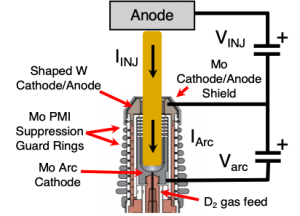
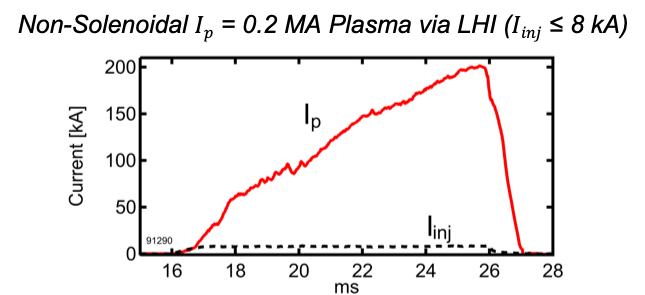
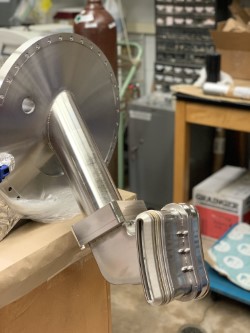
Local Helicity Injection (LHI) is a plasma startup technique that uses compact, high-power current sources located within the plasma scrape-off layer (SOL). The approach has been used routinely on Pegasus spherical tokamaks to produce high-performance plasmas and remains an important area of development for Pegasus-III. Current research focuses on advancing next-generation injector concepts designed to improve performance and support future startup scenarios.
Coaxial Helicity Injection (CHI)
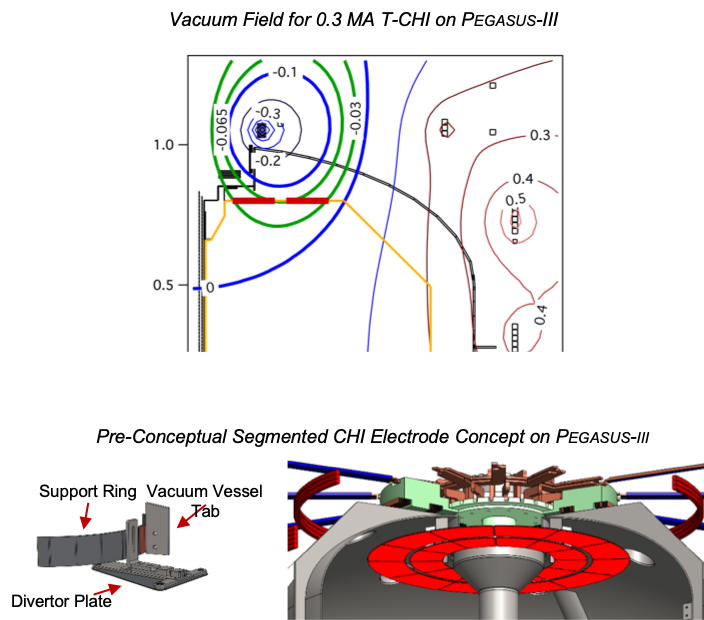
Coaxial Helicity Injection (CHI) uses large-area, axisymmetric passive electrodes to inject helicity and drive plasma current during startup. Pegasus-III includes a dedicated CHI program to extend the physics understanding of non-inductive startup techniques and evaluate their potential role in future fusion devices. This work is conducted in collaboration with the University of Washington.
Heating & Current Drive Systems
Enhancing plasma performance and startup efficiency
Heating and current drive systems play an important role in creating, controlling, and sustaining fusion plasmas. On Pegasus-III, researchers investigate how radio-frequency (RF) heating can improve plasma startup performance, enhance current generation, and support the development of non-inductive operating scenarios relevant to future fusion devices.
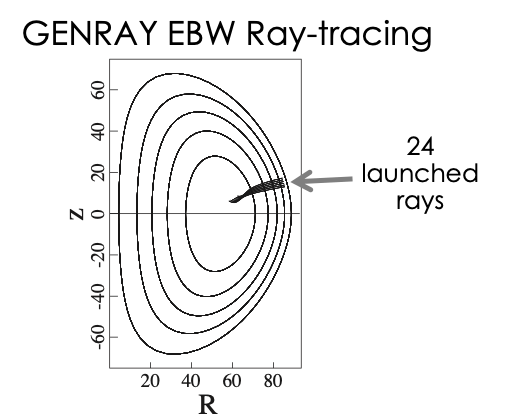
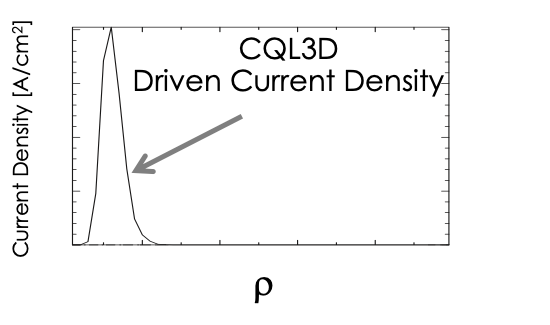
A key research area is Electron Bernstein Wave (EBW) heating, an advanced radio-frequency heating technique that couples energy into the overdense plasmas commonly found in spherical tokamaks. By increasing plasma temperature, RF-EBW heating can improve the efficiency of startup techniques such as Local Helicity Injection (LHI) and Coaxial Helicity Injection (CHI) while providing insight into the physics of plasma heating and current drive.
RF Electron Bernstein Wave (EBW) heating
Pegasus-III is exploring RF-driven Electron Bernstein Waves as a flexible heating and current-drive capability for spherical tokamak plasmas. The research program includes collaboration with Oak Ridge National Laboratory (ORNL) and leverages an 8 GHz, approximately 500 kW RF system previously used on the Frontier Tokamak (FT). Future expansion opportunities include adding Electron Cyclotron Heating (ECH) and Electron Cyclotron Current Drive (ECCD) capabilities.
Through these studies, researchers seek to better understand plasma-wave interactions, improve startup performance, and advance the heating and current-drive techniques that may be needed in future fusion energy systems.
Diagnostics & Measurement Systems
Characterizing high-temperature plasmas through advanced diagnostics
The Pegasus experiment employs a variety of kinetic and magnetic diagnostics to characterize high-temperature plasmas and investigate the physical processes that govern plasma startup, confinement, stability, and performance. These measurements provide the data needed to evaluate experimental results, validate theoretical models, and guide future research directions.
Internal diagnostics
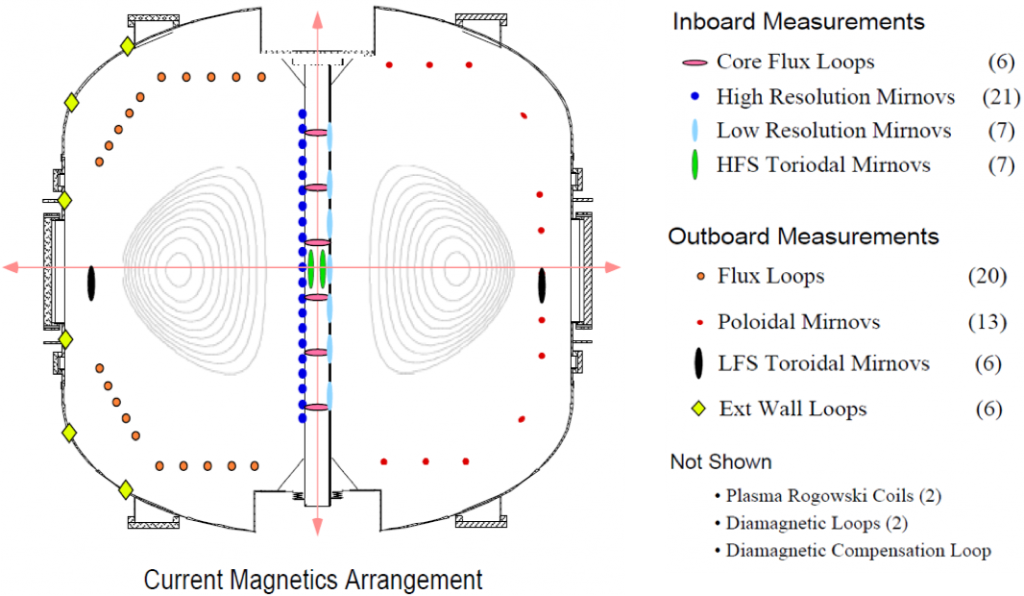
In-vessel diagnostic systems directly measure plasma behavior within the tokamak environment. These instruments enable researchers to study local magnetic fields, plasma parameters, and transient events with high spatial and temporal resolution, supporting investigations into plasma startup, stability, and transport processes.
Capabilities include:
- Hall probes
- Langmuir probes
- Mirnov arrays
External diagnostics
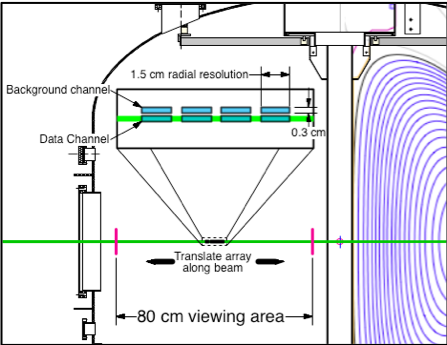
External diagnostic systems provide complementary measurements that help characterize overall plasma performance and evolution throughout an experiment. Together, these instruments let researchers evaluate key plasma properties, monitor operating conditions, and better understand the complex interactions within magnetically confined plasmas.
Capabilities include:
- Multipoint Thomson Scattering
- Microwave Interferometry
- Ion Doppler Spectrometry
- VUV Impurity Spectroscopy
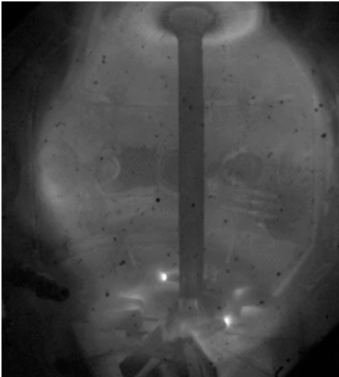
- High-Speed Imaging
Power Systems
Delivering the power and control needed for advanced plasma research
The flexibility of Pegasus-III extends beyond its experimental capabilities to the power systems that drive and control the machine. Designed to support a wide range of plasma operating scenarios, the facility’s power infrastructure enables researchers to precisely shape, control, and optimize experimental conditions for studies of plasma startup, confinement, heating, and stability.
Programmable power for experimental flexibility
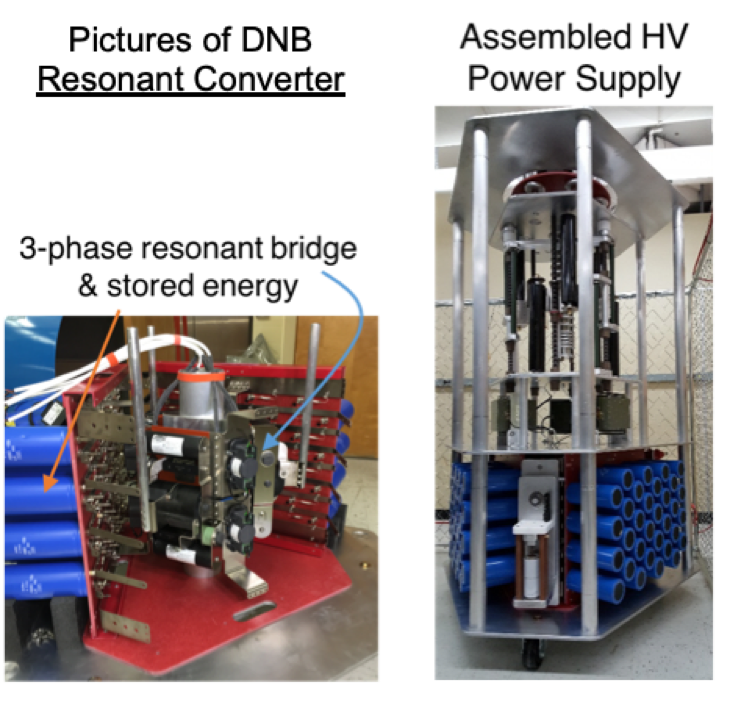
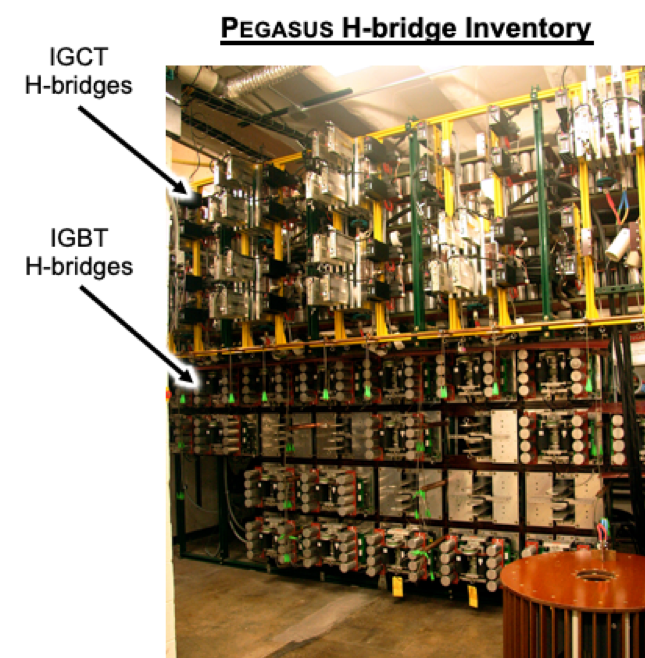
Pegasus-III’s power systems are designed to supply approximately 280 MVA of programmable power, providing the flexibility required to support diverse research objectives and evolving experimental configurations. This capability allows researchers to tailor operating conditions to specific scientific investigations while supporting future system upgrades and new research directions.
A significant portion of this capability supports the machine’s magnetic systems. The toroidal and poloidal field coils require approximately 225 MVA of H-bridge programmable power, enabling precise control of the magnetic fields used to form, shape, and confine plasma.
Advanced digital control systems
Pegasus-III utilizes FPGA-based digital feedback control to monitor and control its coil systems in real time. These advanced control systems provide the responsiveness and precision needed to support complex plasma experiments and investigate innovative operating scenarios.
Supporting future heating and current drive capabilities
Together, these power and control systems provide the foundation for Pegasus-III’s experimental program, enabling researchers to investigate plasma startup, heating, current drive, confinement, and stability while supporting the development of technologies relevant to future fusion energy systems.
Discoveries made on Pegasus-III extend beyond a single experiment
Through collaborations with university researchers, national laboratories, and programs supported by the U.S. Department of Energy, Pegasus-III contributes to the growing body of plasma science knowledge and helps inform the next generation of fusion energy systems.