
Fusion Basics
What is fusion energy?
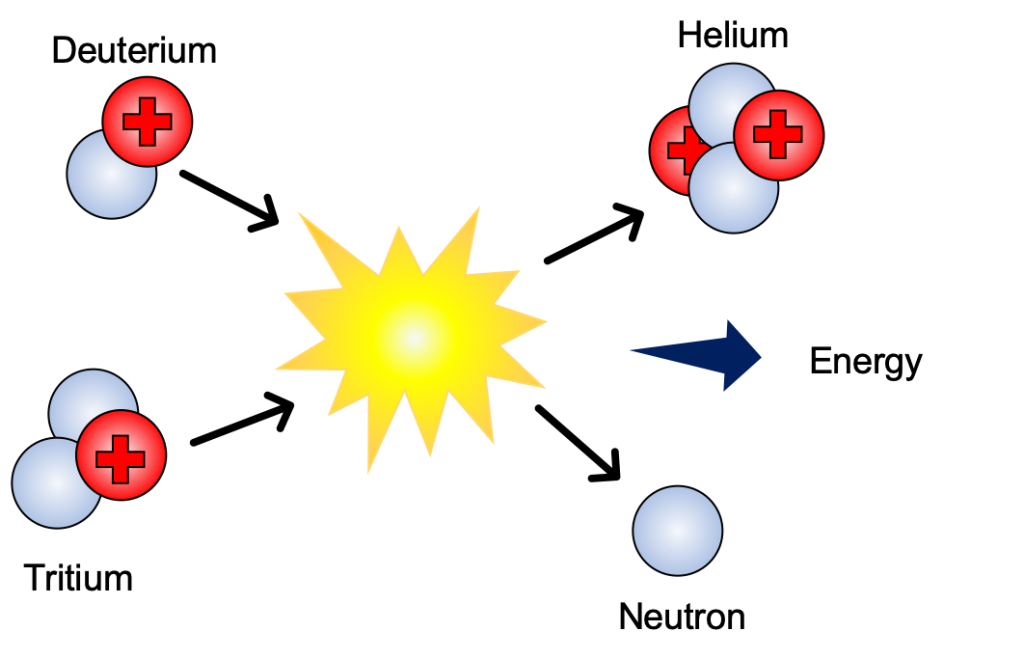
Fusion is a nuclear process that releases large amounts of energy by combining lighter atomic nuclei into heavier ones. Unlike nuclear fission (used in today’s power plants), fusion reactions require extremely high temperatures. At these temperatures, the fuel atoms become so excited that they enter the plasma state.
What is plasma?
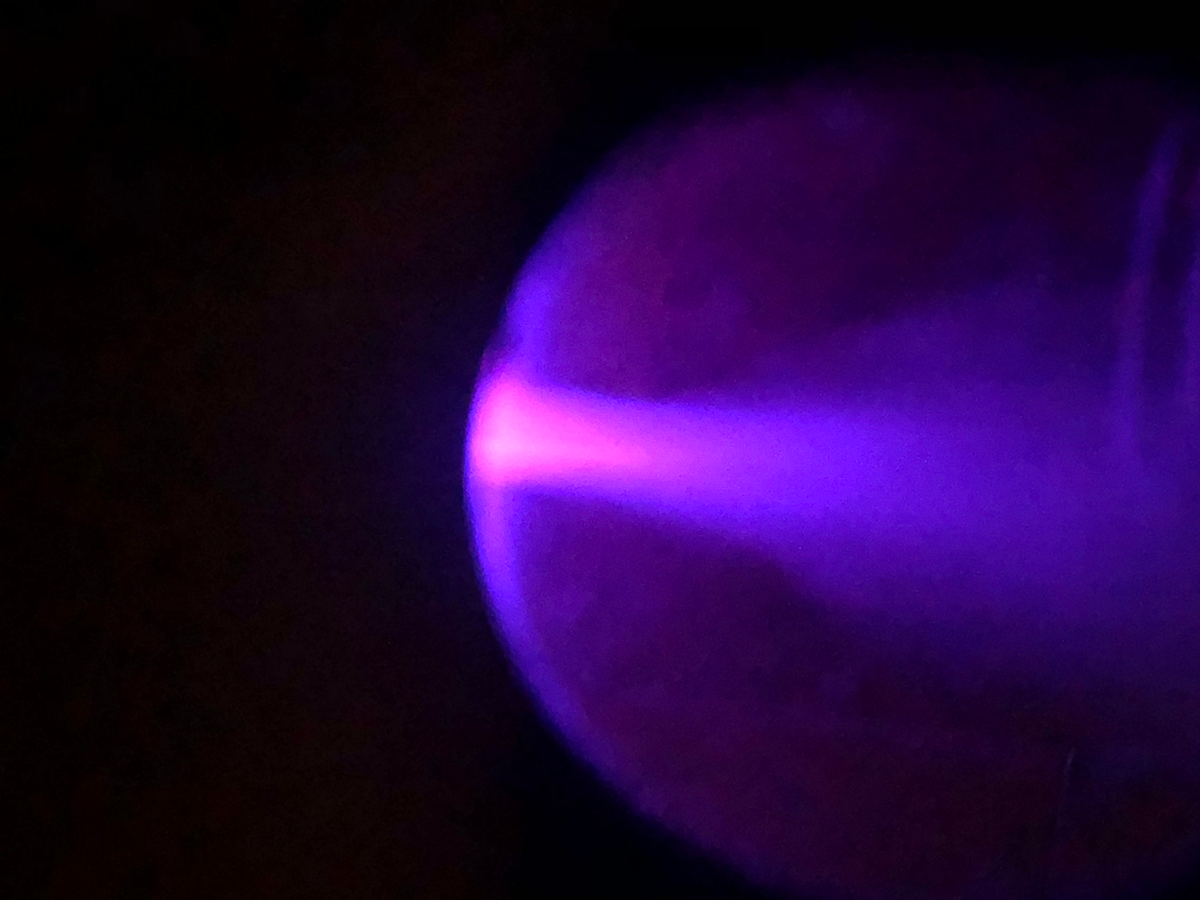
Plasma is the fourth state of matter, accompanying the more traditional solids, liquids, and gases. Unlike neutral gases, plasmas contain free electrons and ions, giving them electric and magnetic properties. This allows applied electric and magnetic fields to manipulate plasmas. A tokamak is a donut-shaped machine that uses strong magnetic fields to confine the plasma into a small, controllable region where fusion can occur.
Why pursue fusion energy?
Fusion energy has attractive advantages in comparison with today’s energy sources. In addition to being free of greenhouse gas emissions, it is inherently safe, reliable, and fuel-efficient. Its fuel is naturally abundant, and it does not generate radioactive waste as a byproduct.